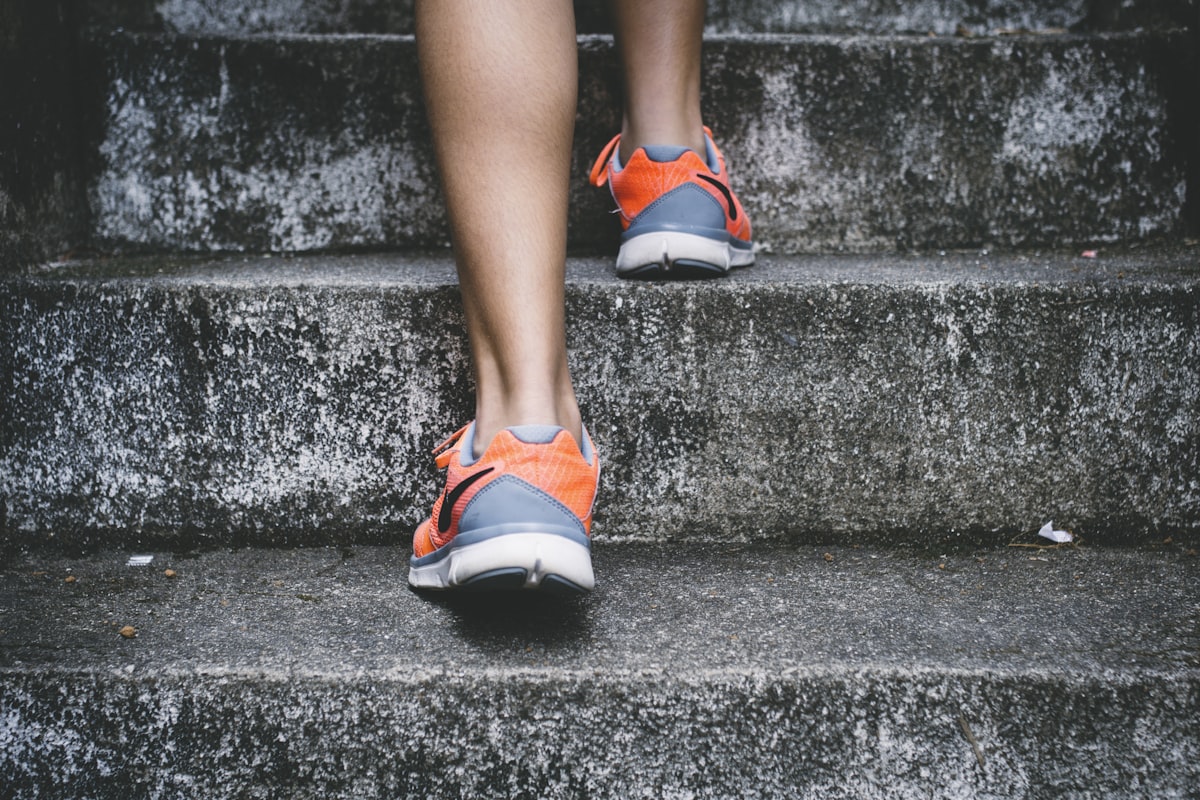
From solo lockdown loops to the largest race weekend in the city's history, Ottawa runners proved that community can't be quarantined.
It started with a Zoom call. Thirty-odd runners, faces tiled across a screen, trying to recreate the energy of a Saturday morning long run in a format designed for corporate meetings. It didn't work — but the attempt mattered.
When COVID-19 shuttered race courses and closed clubhouses in March 2020, Ottawa's running community faced something it hadn't confronted before: genuine isolation. Running had always been the antidote to loneliness, the thing you did with people. Suddenly it was the only thing you could do alone.
What happened next surprised everyone, including the runners themselves.
"I expected people to drift," says Marcus Webb, president of the Ottawa Road Runners Club, one of the city's oldest running organizations. "Instead they came closer. Not physically — we were all on our solo loops — but the group chats never went quiet. People were checking in every day."
The pandemic forced an evolution in how Ottawa's running community communicated. WhatsApp groups that had previously been used to coordinate Sunday tempo sessions became daily dispatches — segments shared on Strava, photos of empty Rideau Canal paths, playlists passed around like mixtapes.
It was a kind of running pen-pal culture. You ran alone, but you ran together.
By summer 2020, as restrictions briefly loosened, the city's running clubs had developed new instincts: smaller pods, rolling start times, virtual race formats that somehow felt more inclusive than the real thing. Runners who had never joined a club found their way in. The barriers — travel, timing, intimidation — had disappeared.
The 2022 Tamarack Ottawa Race Weekend became the proof of concept. With 30,000 registered participants, it was the largest running event in the city's history. Many of them were first-timers. Many had started running during lockdown.
"The pandemic gave running to people who didn't know they were runners," says Amara Diallo, a 34-year-old public servant who ran her first half marathon that May. "I started during the first lockdown because I had nothing else to do. Now I can't imagine my life without it."
That's the story of Ottawa's running community after the pandemic: not rebuilding, exactly, but becoming something bigger than it was before.